In October 2025, Susan set off on an adventure through northern Tanzania, exploring three iconic national parks and the lively town of Arusha. She was accompanied by Ndossy — one of our most beloved Rangers guides — whose warmth, knowledge, and humor made every mile enjoyable. Together, they stayed at a dozen remarkable camps and lodges, and visited many more along the way.
From witnessing the Great Migration and spotting the legendary Big Five to recording over a hundred bird species (and bonding over a shared knack for fixing Land Cruisers), it was a true road trip in every sense. Here are Susan’s impressions of Tarangire National Park.
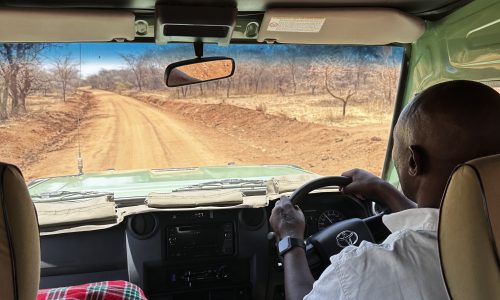
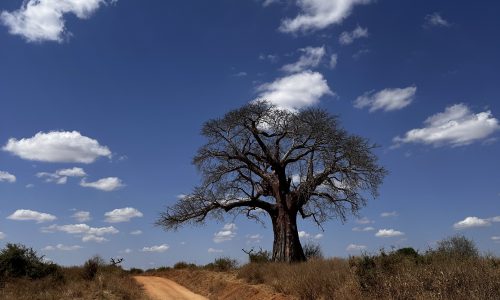
After landing at Arusha Airport, I was greeted by my guide Ndossy, and we set off in his brand new vehicle for the start of my Tanzania adventure — a two-hour drive to Tarangire National Park. The journey itself felt like a gentle introduction to the wild, the road winding through villages and open countryside before giving way to the park’s vast, baobab-dotted landscape.
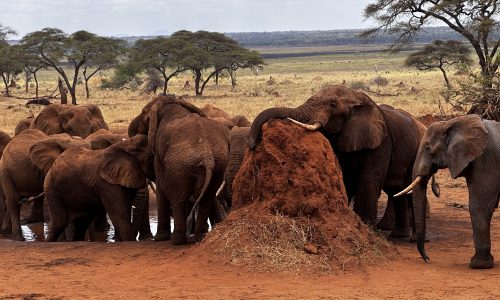
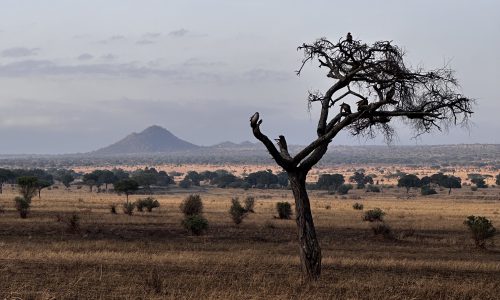
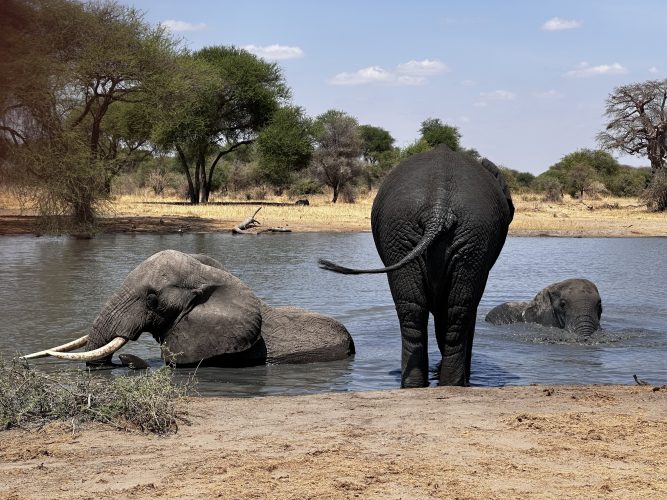
Tarangire is often described as one of Tanzania’s hidden gems, and it truly is. The park is known for its dramatic scenery — rolling hills, ancient baobabs, and sweeping grasslands threaded by the Tarangire River, a life source that draws wildlife in abundance, especially during the dry season. It’s also home to one of the largest elephant populations in East Africa, and during my visit, the herds did not disappoint.
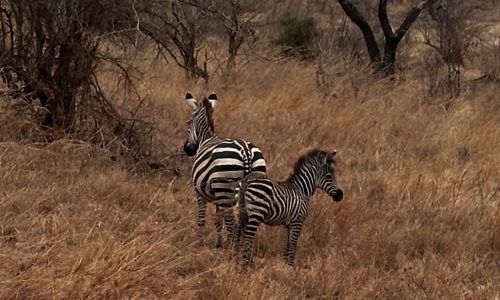
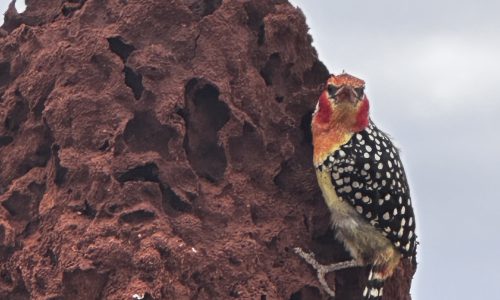
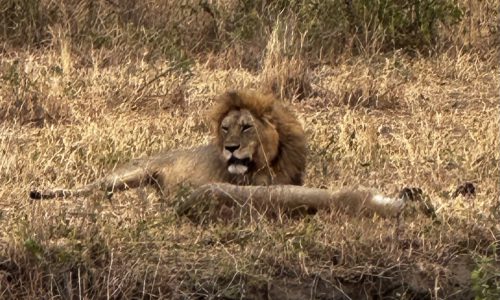
Within hours of entering the park, I was surrounded by a parade of wildlife: elephant, kudu, eland, Grant’s gazelle, buffalo, waterbuck, giraffe, and countless birds. We saw lions and even spotted a cheetah with her cub, a rare and thrilling sight in Tarangire. Herds of wildebeest, zebra, buffalo rounded out the experience, each sighting reminding me just how wild and alive this place is.
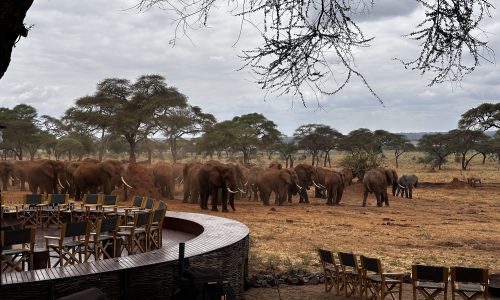
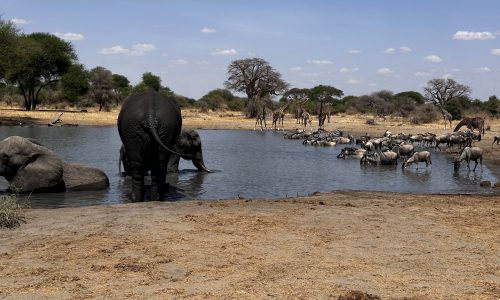
The waterholes were a highlight of the trip — absolute hubs of activity at this time of year. At Nimali, I settled into the underground hide and found myself eye-level with the elephants — close enough to be splashed as they drank and sprayed water over each other in playful bursts. At Swala, the scene felt like an old boys’ club, as bull elephants jostled for position around the waterhole, parting respectfully when the one with the largest tusks ambled in. And at Chem Chem, I witnessed something truly rare — elephants, giraffe, wildebeest, and zebra all gathered together, drinking side by side in an extraordinary moment of peaceful coexistence. It was mesmerizing to watch and impossible not to pause and simply take it all in.
Over the next few days, I stayed at and visited several beautiful camps, each offering its own unique take on Tarangire:
- Karibu Elephant Springs – A welcoming, comfortable lodge with suite style rooms.
- Tarangire Ndovu – Stylish yet relaxed, with comfortable tents and incredible wildlife often right in front of camp.
- Nimali Tarangire – A lovely camp, blending elegant design with a true wilderness feel.
- Swala – sits in a secluded corner of Tarangire National Park, surrounded by ancient baobab trees and overlooking a busy waterhole. Its elegant canvas tents blend classic safari style with modern comfort, while offering exceptional privacy
- Chem Chem Lodge – set on a private concession between Tarangire and Lake Manyara, offers an exclusive, slow safari experience with day and evening game drives, guided nature walks, and authentic community visits — all complemented by refined luxury and a deep connection to nature.
Tarangire surprised me in the best way. It’s wild, authentic, and teeming with life — yet somehow still feels peaceful and unhurried. If you’ve been dreaming of a safari that combines incredible game viewing with soul-stirring landscapes and unforgettable camps, Tarangire should absolutely be included in a as part of your northern Tanzania adventure.
Stay tuned for Part Two, where Susan’s journey continues to the Ngorongoro Conservation Area and beyond. Contact us if you want to experience the magic of Tanzania yourself!